
How to Cope With Losing a Pet: Grief, Memories, and Next Steps

If you’re here, you’ve probably just said goodbye to a pet you loved with your whole heart, and we’re so, so sorry. Whether they were by your side for 15 years or only a few short months, losing them hurts deeply, and that hurt is grief, every bit as much as any other loss. Please be gentle with yourself right now. Make only the decisions that can’t wait, and spend time with the people who knew and loved your best friend too.
At Pevict, we make handmade wool keepsakes for grieving pet parents, and over the past year and a half, so many of you have shared your stories with us. Everything here comes from those stories, and from what’s widely understood about pet loss. We hope something on this page brings you a little comfort today.
What this article covers
- What Pet Grief Feels Like
- Decisions in the First Few Days
- Helping Kids Cope With Losing a Pet
- Ways to Preserve Your Pet’s Memory
- How Long Grief Lasts and When to Talk to Someone
- Knowing When You’re Ready for Another Pet
What Pet Grief Feels Like
A pet is woven into every part of your day, from the first morning cuddle to the last walk at night. When they’re gone, the house can feel unbearably quiet. You might set out their bowl out of habit, listen for the jingle of their tags at the door, or feel your hand searching for their soft fur on the sofa. Exhaustion, restless nights and sudden tears are all completely normal, and so is guilt, especially if you had to make the heartbreaking decision about euthanasia. Choosing a peaceful goodbye for a pet who was suffering is one of the kindest, bravest things a pet parent can do.
Our own story began with loss. As friends around us said goodbye to their beloved pets, we saw how deeply they missed them, and we wanted to give them a way to keep their best friend close.
If you’re wondering how to cope with losing a pet suddenly, please know that the shock can feel overwhelming at first. There was no time to prepare and no chance to say goodbye the way you wanted, so your mind might replay that last day over and over. You might find yourself holding their collar or curling up on their bed, just to feel close to them. That’s a completely normal, loving response, and with time, the shock does soften.
Decisions in the First Few Days
In those first raw days, very little needs doing straight away. When you feel able, here are the few things to think about first:
- Aftercare. Ask your vet about cremation or burial, and if you’d like to lay your pet to rest at home, check your local rules first.
- Belongings. If their scent brings you comfort, set aside their bed, blanket or a favorite toy before anything gets washed.
- Admin. Cancel automatic food deliveries, medication refills and vet reminders, so a surprise delivery doesn’t catch you off guard on a hard day.
- Other pets. Keep a gentle eye on any other animals at home, because they might search the house or seem lost for a while too.
- People. Tell the friends who’ll understand, and let them help, whether that’s bringing dinner or simply sitting with you.
Everything else can wait. You don’t need to decide this week, or even this month, what to do with the leash by the door. Take all the time you need.
Helping Kids Cope With Losing a Pet
Children often grieve in little bursts. Your child might cry at bedtime, play happily an hour later, then ask the same question again and again over the next few days. That doesn’t mean they’ve stopped caring. It’s simply how young hearts cope. Use simple, honest words like “died,” because gentle phrases like “put to sleep” can confuse younger children, or even make them nervous about going to sleep themselves.
Give them a way to say goodbye too, like drawing a picture, writing a letter or choosing a special spot for their photo. Teenagers might hide their sadness, so a quiet hug or a check-in on the sofa can mean more than a big talk. And share the funny stories together, like the time your pup stole the sausages off the barbecue, so your children remember all the happy, silly moments, not only the sad goodbye.
Ways to Preserve Your Pet’s Memory
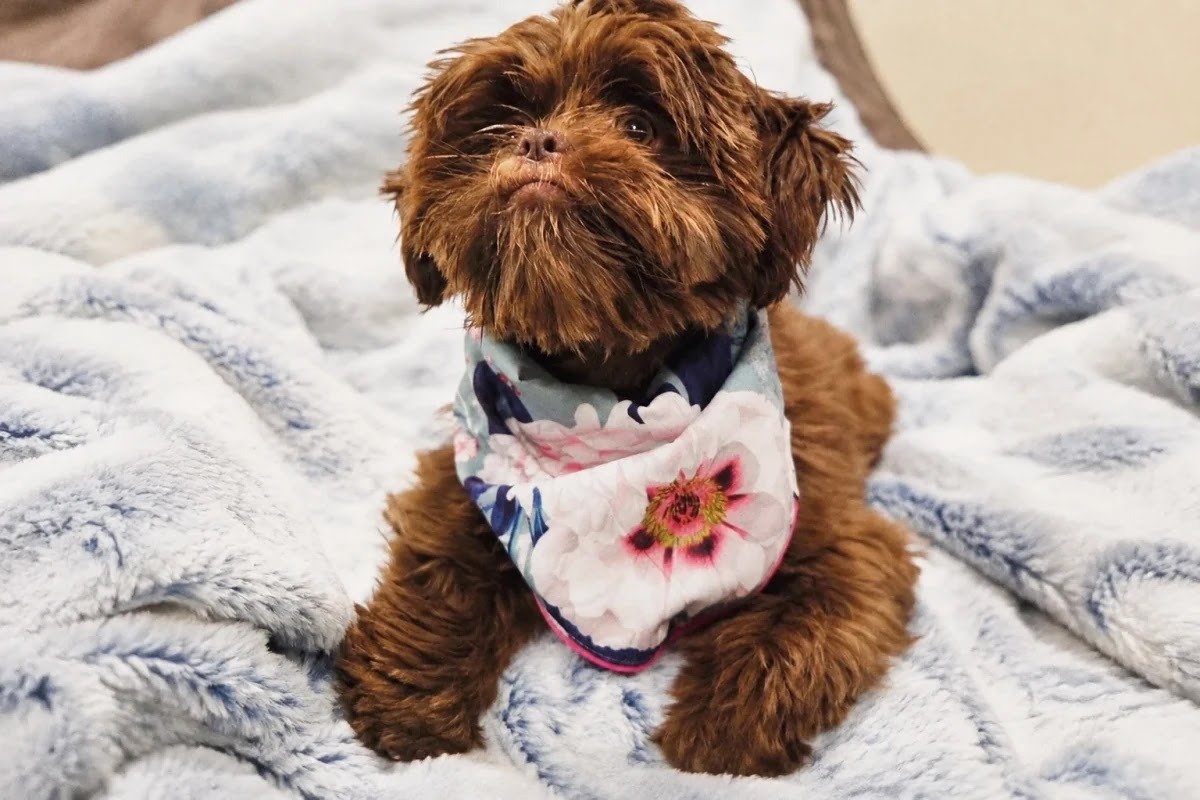
Some of the most precious keepsakes are the little things your pet used every day. Their collar, still with its tags, or the bandana they wore for every family photo can become a small, comforting reminder you can hold whenever you miss them. Pink Papyrus makes the kind of pretty collars and bandanas that become part of a pup’s everyday look, and part of how you remember them. Paw prints, a soft tuft of fur or a well-loved toy can sit on a shelf where you’ll see them and smile.
Photos are a comfort too, though they can’t fill every gap. One of our customers lost their pet of 10 years and lovingly put together a big photo album. They treasured every page, but they still missed the warmth of having their friend curled up beside them. A keepsake can mean so much without making the grief disappear, and that’s okay.
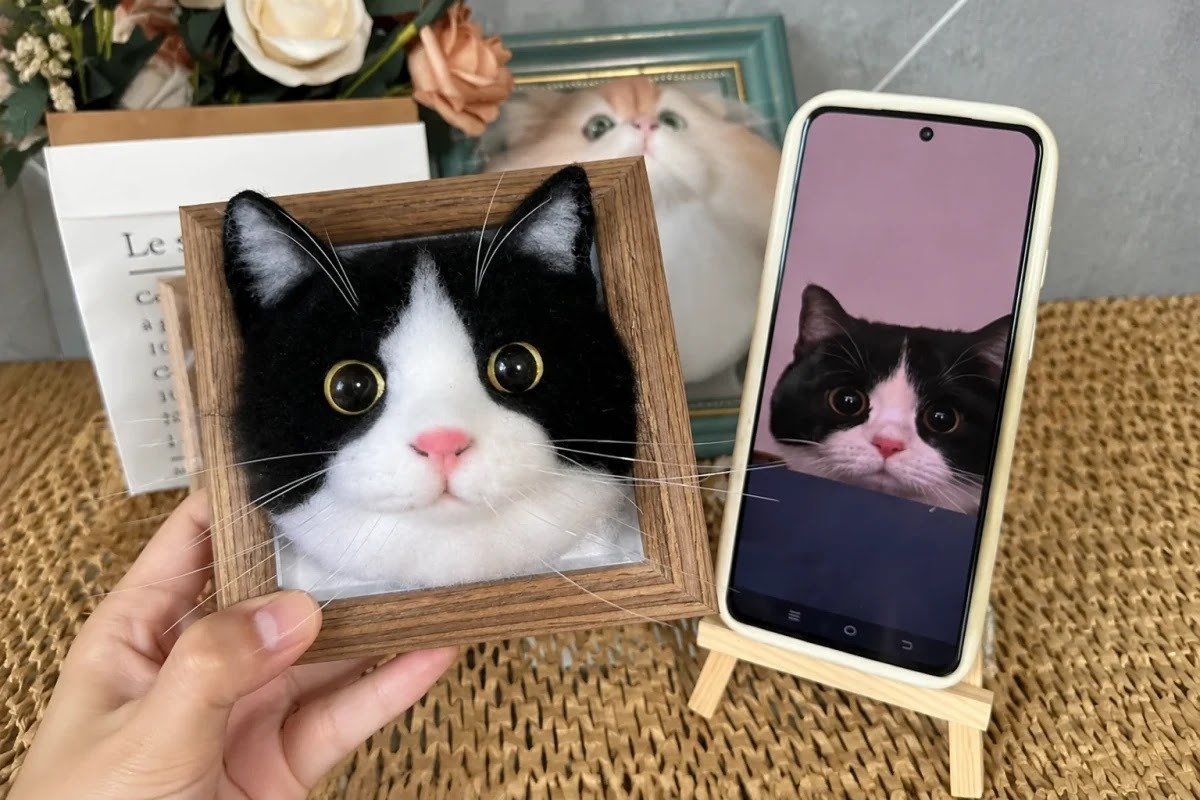
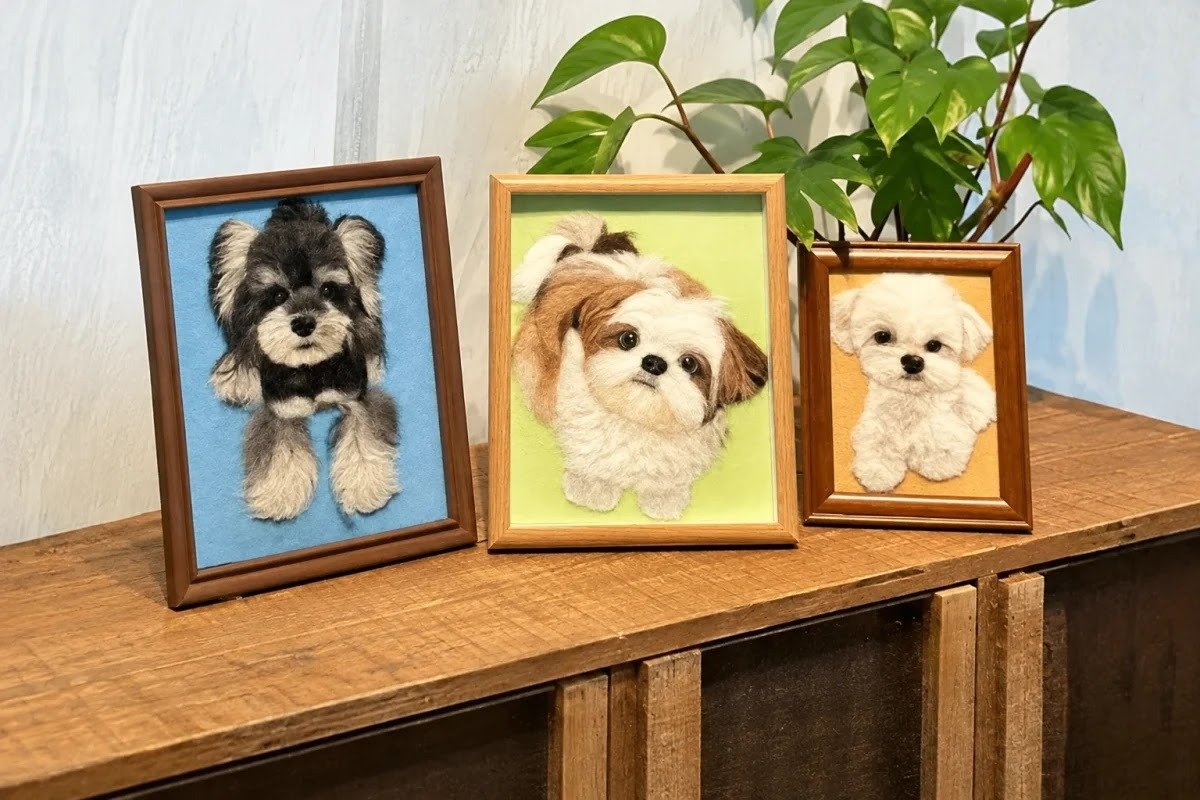
For pet parents who’d love something they can hold, we make needle-felted framed portraits, little full-body figurines and wool ornaments of dogs and cats, each one crafted by hand from natural wool. One customer sent us lots of photos to guide their figurine, so we could capture all the little details they loved most. A portrait won’t take the ache away, but it can keep that sweet, familiar face close. We strive to bring comfort, joy and lasting memories to pet lovers all over the world, and we hope each piece brings a little of that to you.
How Long Grief Lasts and When to Talk to Someone
There’s no timeline for grief. For many people, the sharpest pain eases over weeks or months, while waves of sadness come back on anniversaries and holidays, or when a song or a smell brings it all rushing back. If you’re still grieving long after others expect you to move on, you aren’t doing anything wrong. You loved them, and that love doesn’t switch off.
Please talk to someone if grief makes it hard to work, eat or sleep for a long stretch, if you feel stuck in guilt, or if you feel hopeless. A doctor, counselor or pet loss support group can be a huge comfort, and there’s no shame at all in asking for help. If you ever have thoughts of harming yourself, please contact a crisis line or emergency services right away. We believe there’s room to miss them and still smile at the memories, and with the right support, you’ll find that room.
Knowing When You’re Ready for Another Pet
One day, you might start to wonder about welcoming a new pet, and that’s okay too. Some families feel ready within weeks, while others need years, and both are perfectly normal. Here are a few gentle signs your heart might be ready:
- You can picture a new pet as their own little personality, not a stand-in for the one you lost.
- Everyone at home, including the kids, feels open to the idea.
- You have the energy and patience for training, vet visits and settling in.
- Thinking about your pet brings more warm smiles than tears.
If you aren’t there yet, that’s completely fine. Loving another animal will never replace the one you lost, and waiting until your heart is ready is a beautiful way to honor them both.
Frequently asked questions
How many photos should I send for a custom wool-felt figurine?
There’s no set number, so send whatever you have. With clear photos of your pet’s markings, coloring and expression from a few different angles, we can get the likeness just right. One customer sent us lots of photos, and we were able to capture all the little details they loved.
Is it too late to make a keepsake months or years after my pet died?
Not at all. We can make a portrait or figurine from photos at any time, so please don’t feel rushed. Lots of pet parents find it easier to choose a keepsake once the first shock has passed, when they can look at those photos and smile again.
Should my child be present for euthanasia or see our pet afterward?
It depends on your child’s age and what they want, so gently ask them what they’d like. If they choose to be there, explain beforehand what they’ll see, so nothing comes as a surprise, and give them lots of cuddles afterward.
What should I do if my other pet stops eating after the loss?
Your other pet might be missing their friend too, so keep their feeding and walk routine as steady as you can, because they’ll feel safer with familiar patterns. Extra cuddles are good for you both. If their appetite or behavior doesn’t improve, check in with your vet to rule out illness.